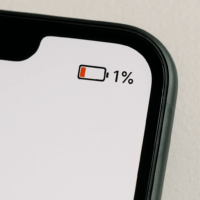
On April 28th, a general blackout occurred across all of Spain, and by extension, also in Portugal due to the proximity and electrical interconnection between the two countries. At 12:30 PM, a widespread power outage affected every device connected to the power grid, and for a few minutes, confusion and anxiety prevailed. During those minutes, all fiber optic connections began to shut down, which meant that a lucky few with Uninterruptible Power Supplies (commonly known as UPS) were still able to access some news websites and realize the outage was larger than it initially appeared.
Unfortunately, UPS systems only last a few minutes—just enough to withstand an electrical fluctuation or to safely shut down servers if the outage lasts too long—so we were left with only mobile networks, the saviors during catastrophes, with batteries meant to last 24 hours without electricity, or at least, that’s how it should have been.
Unfortunately, many antennas also lost electrical connection in most cases; in others, although there was coverage (the antennas were powered), there was no internet or phone traffic. In other cases, the antennas lasted even less than a household UPS, and all signal disappeared in barely two minutes. Many antennas couldn’t withstand even one hour of power outage, leaving thousands of people completely out of communication.
As the ad once said, “the future is mobile,” and anything that isn’t a mobile network hardly seems worth maintaining. The copper network has been removed and replaced by a fiber network that requires continuous power. In these cases, UPS units last only a few minutes to prevent brief electrical interruptions. But when Europe advises us to prepare an “emergency kit” designed to sustain us for at least 48 hours without leaving home, they should also recommend that communications be able to last more than just a few minutes.
I confess I’m not a “prepper” at all—if disaster strikes, I’ll surely be caught without toilet paper, without drinking water, and with an empty fridge. Nevertheless, I’m aware that we should be at least minimally prepared and store a few cans of food “just in case.”
We are so dependent on electricity and communications that, if either is missing, people would go crazy—and if communications also depend on electricity, it makes us even more vulnerable, as has been demonstrated.
Luckily, there weren’t many tragedies to mourn. Some people had difficulties with respirators, oxygen machines, or CPAP devices for sleep apnea, but in these cases, the inability to communicate greatly increases the sense of vulnerability and lack of response. (I won’t even go into political incompetence and the lack of useful, swift responses to a disaster of this magnitude.)
Data centers are required to have backup systems that allow them to operate for many hours in case of a power outage. These backup systems use generators, solar panels, etc., and thanks to them, many systems continued functioning once power was restored. However, Movistar (and by extension, all mobile networks that rely on it) continued to experience issues with mobile service 48 hours after electricity returned. Is the mobile network really so unresilient that it still couldn’t support phone calls 48 hours after power was restored?
We must learn something from all this: in this case, that the electrical grid and power systems must be more robust. We need to be “more independent,” both at the national level and on a personal level. Having backup batteries at home to power LED lamps, charge mobile phones, a battery-powered radio to hear the news, a walkie-talkie to communicate without relying on a company that might let you down at such times, or an alternative way to cook besides the typical electric stove/microwave/oven—these are all things that should be part of the “emergency kit” we now need to take seriously.
As I said, we must learn something from every situation—and in this case, I’m going to take that “emergency kit” that Brussels recently announced (and half the country, myself included, laughed off) much more seriously.
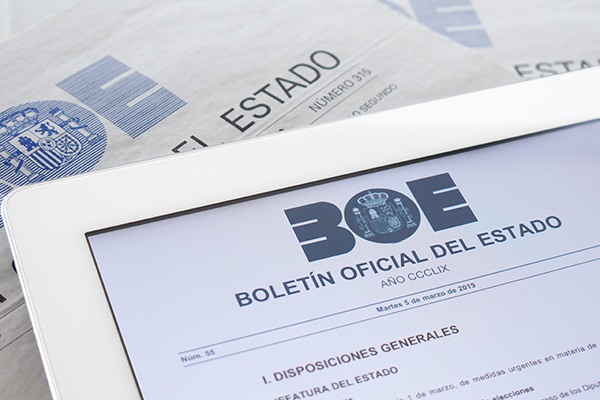
If you are an operator or work in communications, you are likely aware that on Saturday, February 15, the Ministerial Order TDF/149/2025 was issued—somewhat unexpectedly, it must be noted—“establishing measures to combat identity theft scams via fraudulent telephone calls and text messages.” You have probably read dozens of articles outlining the significant change, specifically that “commercial calls from mobile lines will no longer be permitted, and only toll-free numbers (800/900) will be authorized to contact you.” However, the new Ministerial Order TDF/149/2025 includes several minor modifications for operators that affect communications across all types of companies.
The primary objective of this Ministerial Order is to address telephone operators (not data operators) and is primarily aimed at preventing fraud and identity theft scams. In other words, it is designed to prevent scenarios where a scammer calls using your bank’s number or sends an SMS displaying the bank’s name when the sender is not the bank.
Nonetheless, many people consider it a “scam” or “attempted scam” when they receive calls from an unknown number “masquerading” as their telecommunications or energy provider, even though these are commercial calls made by companies contracted by these providers to acquire new customers.
Furthermore, the new Ministerial Order seeks to eliminate this method of customer acquisition. To begin with, it establishes substantial fines for non-compliance, indicating that enforcement will be taken seriously. In addition, the Ministerial Order TDF/149/2025 entails many other important changes in the telephone network, operators, and companies that have been overlooked by clickbait websites. We will now discuss these changes, which are set to significantly alter the industry landscape.
Prohibition on making commercial calls from mobile number ranges.
Let’s first discuss the most striking aspect, which has sparked comments nationwide: starting on June 7 (20 days plus 3 months from the BOE publication), no call center—and, as noted in the BOE, no sales representative from any company (does this mean goodbye to mobile phones for sales reps?)—will be allowed to call you to sell something using a mobile number as they have done until now. As stated in Article 10.1: “The segments N=8 and 9, for the zero value of digits X and Y, of the national telephone numbering plan, in addition to automatic reverse charge services, customer service, and the making of unsolicited commercial calls, are allocated.”
In other words, for customer service numbers as well as for commercial calls, only 800 or 900 reverse charge numbers (with the call cost borne by the recipient company) should be used.
Will commercial calls be allowed from fixed-line numbers?
Although all media outlets have reported that commercial calls may only be made from 900 numbers, it is interesting that the BOE itself does not expressly prohibit fixed-line numbers (it would have been straightforward to clarify and ban both mobile and fixed-line numbers for commercial calls). Only mobile numbering has been explicitly prohibited. However, since this issue was not clearly addressed in the BOE, an update from the Ministry on February 24 also includes fixed-line numbers for commercial calls: “Companies shall not use mobile numbers for telemarketing. They must use geographic numbers or 800/900 numbers, now authorized to make calls.”
To clarify: commercial calls from mobile numbers are prohibited starting May 15 (an updated date also mentioned in the Ministry’s press release), which is slightly earlier than the originally indicated June 7.
It should be noted that 900 numbers are also used for customer service, so if we want to receive calls regarding changes, incidents, or other matters, we need to ensure these numbers are not blocked, otherwise we will not receive any calls.
Let’s clarify an important point: what constitutes an unsolicited commercial call?
Firstly, the BOE refers to “unsolicited commercial calls.” This means that a call center may have your prior consent to call you, but you did not request the call at that moment. Remember that for a call center to contact you, they must have obtained your explicit consent. You likely provided such consent when filling out a form—whether when signing the contract for your bank’s new credit card update, accepting any agreement, creating an account on a website, or making your most recent online purchase.
A commercial call is defined as a call in which someone contacts you exclusively to offer a product or service.
Is a survey a commercial call? No.
Is a call from a political party a commercial call? No.
Is a call from an electricity company informing you of a billing error a commercial call? No.
Is a call from a telecommunications company inquiring about an individual named Jose Emilio who was interested in a service a commercial call? Yes, but if you are not Jose Emilio, it is a misdirected call—a data error rather than a properly targeted commercial call. You may report it; however, since it was caused by erroneous data, it could be considered an “administrative error” (as if I had given consent to be called but provided your phone number instead).
If you registered via a website form and then received a call, this is considered a commercial call. However, since you signed up and provided your consent, the call is permissible—unless you are on the Robinson List, in which case calls are not allowed.
Strict Use of Numbering for Outgoing Calls
Currently, Spanish law prohibits caller ID spoofing. Although some telecommunications experts writing on network forums may disagree, no one is allowed to arbitrarily select any number—even if they have an Asterisk system and wish to identify with someone else’s number. The operator will block such calls and prevent the use of a number that does not belong to the caller. This level of control over numbering is not common in some non-European countries, but in Spain, it is tightly regulated.
Until now, if you have been assigned a telephone number by an operator (for example, your mobile), you could request another operator to allow you to make calls using “your number.” After all, it is your number and you have given authorization for it to be used on your PBX for outbound calls. However, it appears that this practice is coming to an end, or at least it will become much more complex. It will require guarantees that the number in question truly belongs to you, and even then, new legislation will mandate number porting if you wish to place calls through a different operator.
It is also officially prohibited to make calls using numbering that is neither assigned nor sub-assigned to any operator, or that does not belong to any end user. While an operator may prevent one of its subscribers from using numbering that is not allocated within its network, the challenge lies in determining whether an incoming call uses a number that has not been assigned to any user. The BOE does not explain this, yet it mandates that incoming calls using unassigned numbering be blocked. How will it be determined if the incoming number (from another operator) belongs to a subscriber or is an unallocated number? The CNMC will require all operators to provide a list of their subscribers and the numbering they use, and it will develop an API that operators must query each time they receive a call to verify whether that number belongs to someone.
The Ministry has given the CNMC until May 15, 2026, to develop this tool and for operators to begin using it.
This opens up another interesting issue…
As explained in the article on assignment and sub-assignment of numbering, telephone numbers are allocated by the CNMC to network operators, who in turn sub-assign them to other operators for use with their clients and users. Can the sub-assigned numbering from one network operator then be used on another? In principle, yes—it is possible, as network operators could verify that the number belongs to the operator initiating the call. However, how will they determine whether that number actually belongs to a valid user or is unassigned? The CNMC will need to clarify these uncertainties.
Only numbering that has been previously assigned or sub-assigned will be used.
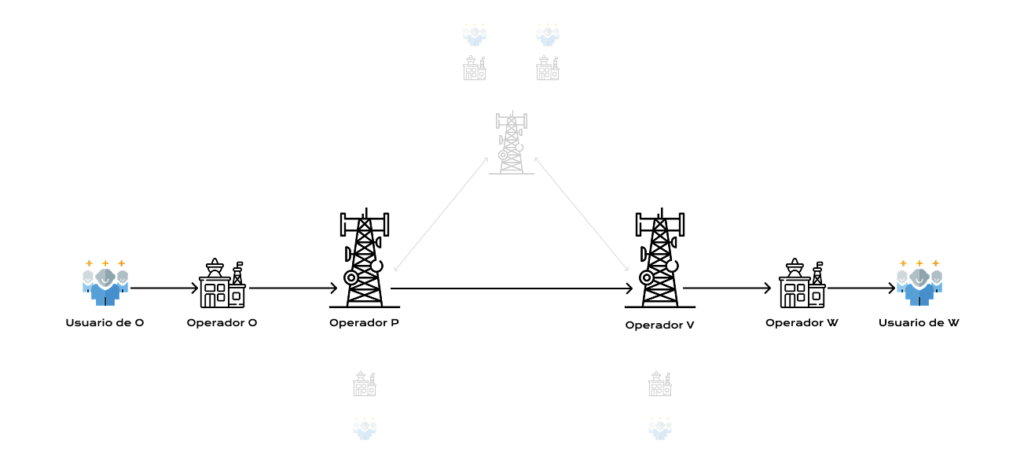
As explained in the article on “what assignment and sub-assignment mean,” there are many operators (let’s call them P) (transit operators) who, instead of sub-assigning numbering, allocate numbers as if they were for their end users. This practice has always been overlooked; however, now transit operators (both Operator P and Operator V) must block such numbering, since it does not belong to Operator O.
Forbidden Use of One Operator’s Numbering on a Different Operator
The new Ministerial Order mandates that operators block incoming calls if the numbering belongs to the operator that is the intended recipient of the call.
For example, consider the case of Jaime, who uses an IP operator for his company’s calls. He wishes to make calls using the number associated with his Movistar fiber connection, so he contacts his IP operator, TuOperadorIP, to enable the use of his Movistar number in addition to the operator’s own numbering. After sending his invoices and signing two contracts, TuOperadorIP grants him the ability to place calls using the Movistar fiber number.
Up to this point, everything proceeds normally. Jaime utilizes TuOperadorIP for outbound calls, as his PBX is configured accordingly, allowing him to use his fiber number. Incoming calls are directed to the office landline, and all functions smoothly.
However, when Jaime calls his wife’s mobile phone—which is also with Movistar—Movistar suddenly blocks the call. Why? Because Movistar is invoking the new law that permits them to block calls if the call originates from an external provider and the number is registered to Movistar.
Therefore, it is prohibited to call a Movistar user using a provider other than Movistar if the Movistar numbering is used.
How is this issue resolved? The solution is to “port the number” to the operator with which you wish to make calls. This matter could spark an interesting debate, as many users are unable to port their number because their primary number is tied to their fiber line. In short, this is yet another reason to decouple the number we favor from the fiber connection.
Forbidden Use of National Fixed-Line Numbering for International Calls and Companies
According to the interpretation of the BOE, the use of national numbering for international calls is also prohibited.
In a VoIP environment, where all calls are made over an IP network, “international calls” are defined as those originating from non-national companies.
While a mobile number can belong to a foreign individual, a fixed-line contract requires the physical presence of a national address. Therefore, it is not permitted for foreign companies to present international calls using national fixed-line numbering. This effectively prohibits the assignment of fixed/geographic numbering to companies that are not physically located in Spain or that do not have a headquarters or representative office in the country. Although this was already the case, enforcement will now be much stricter. If a foreign company wishes to obtain national fixed-line numbering in a specific province, it must have a branch in that province, necessitating some form of corporate documentation (e.g., an invoice) with an address in that province.
This measure aligns with practices already in place in several European countries (such as Portugal, France, and Germany), whereas in Spain, until now, companies could obtain Spanish numbering without having a physical domicile in the country.
Strict Limitation and Strict Control of SMS Origin
Although it may seem odd (I’ve always found it curious), SMS messages have traditionally enjoyed a certain degree of freedom. SMS has essentially been «a message sent to a mobile phone,» where the originating field (the «from» field) served merely as an identifier and never as a means of authorization. This means that it has been possible to send SMS messages with any origin, including names (aliases) to help the recipient identify who is sending the message.
However, as is often the case, freedom is highly valued—but great power comes with great responsibility. When that power is misused to cause harm, it becomes necessary to impose limits on such “freedom” and exercise tighter control over who is permitted to do what.
For this reason, SMS messages have increasingly been used as a vector for scams, tricking individuals into visiting fraudulent websites, submitting personal data, or even initiating bank transfers. Consequently, the Ministerial Order includes a specific section on the proper use of SMS to help prevent scams and fraud.
Mandatory Use of a Public Registry for ‘Alias’ Usage in Caller Identification
In light of the fact that this functionality has been exploited to commit numerous crimes and frauds, the origin of the SMS will be restricted to the telephone number of the user or company sending the message. If an alias is to be used, that name must be registered in an official registry associated with the sending company. Essentially, this measure is designed to prevent third parties from sending messages under aliases such as “BANK XXXXXXX” to defraud users.
What About RCS Messages? There was an expectation that RCS messages would help address this issue. According to some reports, it was believed that RCS would eventually replace SMS. RCS messages require a bureaucracy (verifiers, documentation, contracts, etc.) to ensure that the sender can be correctly identified and that the message is authorized and verified by a controlling entity. One problem, however, is that RCS is largely managed by external companies like Google (or Huawei), meaning that the identification, verification, and certification policies are based on these external entities. With this change, SMS will be granted much greater control and security, with operators and the CNMC overseeing that companies send SMS with their official identification.
The Ministry has given the CNMC just over a year—until May 15, 2026—to develop the tool for registering alphanumeric codes in SMS.
A Brief Opinion…
I cannot deny that if these measures help reduce spam—especially for those enrolled in the Robinson List—it will be a positive outcome. However, my primary hope is that these measures will help prevent fraud and deception.
Unfortunately, not all laws in this country have managed to stop us from receiving automated calls with job offers, even though it would be quite easy to identify who is behind those calls. Thus, if the prosecutor’s office, the police, the CNMC, the AEPD, and the Ministry of Digital Transformation cannot prevent these calls, the only recourse may be to enact laws that force operators to cease these activities under the threat of hefty fines.
Requiring operators to generate semi-annual blocking reports, to consult databases for every received call, and to implement so many changes in their infrastructure that it becomes an odyssey… this is what awaits us from now on. Only those operators with an engineering department capable of carrying out the necessary infrastructure modifications will be able to comply with the BOE’s requirements. Otherwise, they will have to rely on larger network operators to support and assist them with the extensive list of changes that must be implemented within months.
Out of the nearly 1,000 telephone operators registered with the CNMC, how many do you think control their infrastructure well enough to modify their systems to adapt to these changes? The majority will likely reuse services from larger operators to avoid legal issues.
I foresee very intense and interesting changes and movements among the country’s telephone operators this year.
Just a few days after the new President of the United States announced he would allocate 5 billion dollars to the main American companies dedicated to AI (OpenAI, Microsoft, Google, Meta, X, etc.), a Chinese company went ahead and published an AI model called DeepSeek-R1 under a free license. To be specific, many models are “open source,” which means their source code is open, but in practice, they are under very restrictive licenses (in Europe, for example, certain uses are prohibited…). In contrast, the DeepSeek-R1 license is truly a FREE model under the MIT license, one of the most widely used licenses by free software enthusiasts.
However, what has sparked a war of AI models is the fact that DeepSeek appears to be much more optimized and not only runs faster than ChatGPT, but also requires less computing hardware to function, meaning practically anyone could have their own complex LLM system with reasoning capabilities using just a simple graphics card costing no more than €200.
Of course, DeepSeek offers an online version that people can use completely free of charge. It also has a (commercial) API to use the reasoning version (similar to the GPT4-o1 model), though at a slightly lower cost than OpenAI’s API.
It seems that the United States wants to start its own “AI space race” against China, but the latter has just launched its first rocket to the Moon, leaving the U.S. with a 400 billion-dollar hole in the stock of the company that manufactures the most-used hardware for AI: NVIDIA.
In the United States:
GPT-4 by OpenAI: GPT-4 is a large-scale language model that has set new standards in natural language processing, text generation, and contextual understanding. Its ability to generate coherent and relevant content has been widely recognized.
Gemini 2.0 by Google DeepMind: Gemini 2.0 is a multimodal model that integrates text, image, and audio processing. It stands out for its advanced reasoning and understanding capabilities, enabling applications in various areas such as information retrieval and virtual assistance.
Claude by Anthropic: Claude is a language model focused on safety and alignment with human values. It has been used in applications requiring secure and ethical interactions, contributing to responsible AI development.
Grok-2 by xAI: From Elon Musk’s company, Grok-2 is a language model that integrates with platforms like X (formerly Twitter) to enhance interaction and content generation. Its focus on social media integration distinguishes it in the AI landscape.
Llama 3 by Meta AI: Introduced in April 2024, Llama 3 is the latest version in Meta’s series of large language models. Available in 8 billion and 70 billion parameter versions, it outperforms other open-source models in various benchmark tests.
In China:
DeepSeek-R1: Developed by the startup DeepSeek, this reasoning model has surprised the tech sector with its efficiency and low cost. DeepSeek-R1 has surpassed competitors like OpenAI in terms of downloaded applications, demonstrating that advanced AI development does not require huge investments.
Qwen 2.5-Max by Alibaba: The tech giant Alibaba recently launched its Qwen 2.5-Max model, which claims to outperform advanced models like DeepSeek-V3, OpenAI’s GPT-4o, and Meta’s Llama-3.1-405B. This release highlights Alibaba’s rapid evolution in the AI field.
Ernie Bot by Baidu: Baidu, known for its search engine, has developed Ernie Bot, a conversational AI model that has been integrated into various applications, demonstrating advanced natural language processing capabilities.
Hunyuan by Tencent: Tencent, the company behind WeChat, created the AI model Hunyuan, which has been integrated into its messaging platform to improve interactions and provide more accurate responses to users.
Kimi k1.5 by Moonshot AI: Moonshot AI has developed the Kimi k1.5 model, known for its multimodal and reasoning capabilities, positioning itself as a competitive alternative in the AI market.
The Importance of AI in Europe…
Meanwhile, in Europe, we are watching how various players are striving to lead in AI, waiting in astonishment to see who will achieve supremacy in a technology that, as anyone can imagine, will be as revolutionary as the internet was in its day.
The European Parliament has already worked on creating specific legislation for AI in Europe, classifying models based on their “danger level,” establishing a “testing space” to study whether algorithms are dangerous or not, and similar measures. The legislation itself is not bad; it merely seeks to ensure that AI is safe, ethical, and respectful of fundamental rights. However, some companies consider that the obligations imposed are too demanding and could hinder innovation. To express their opposition to this “control,” they opt to ban the use of their technology in Europe, thereby pressuring authorities to relax its use on the old continent.
Whatever the case may be, Europe is currently lagging behind in this technological race for AI leadership. It’s nothing new; the same thing happens in other fields such as robotics and drones, for instance. While the United States and China are making real strides in terms of drones—not only with spectacular shows involving hundreds of units but also for transporting materials and/or people—in Europe, we have enacted such restrictive legislation that if you see someone flying a drone today, the police are probably already on their way to issue a fine.
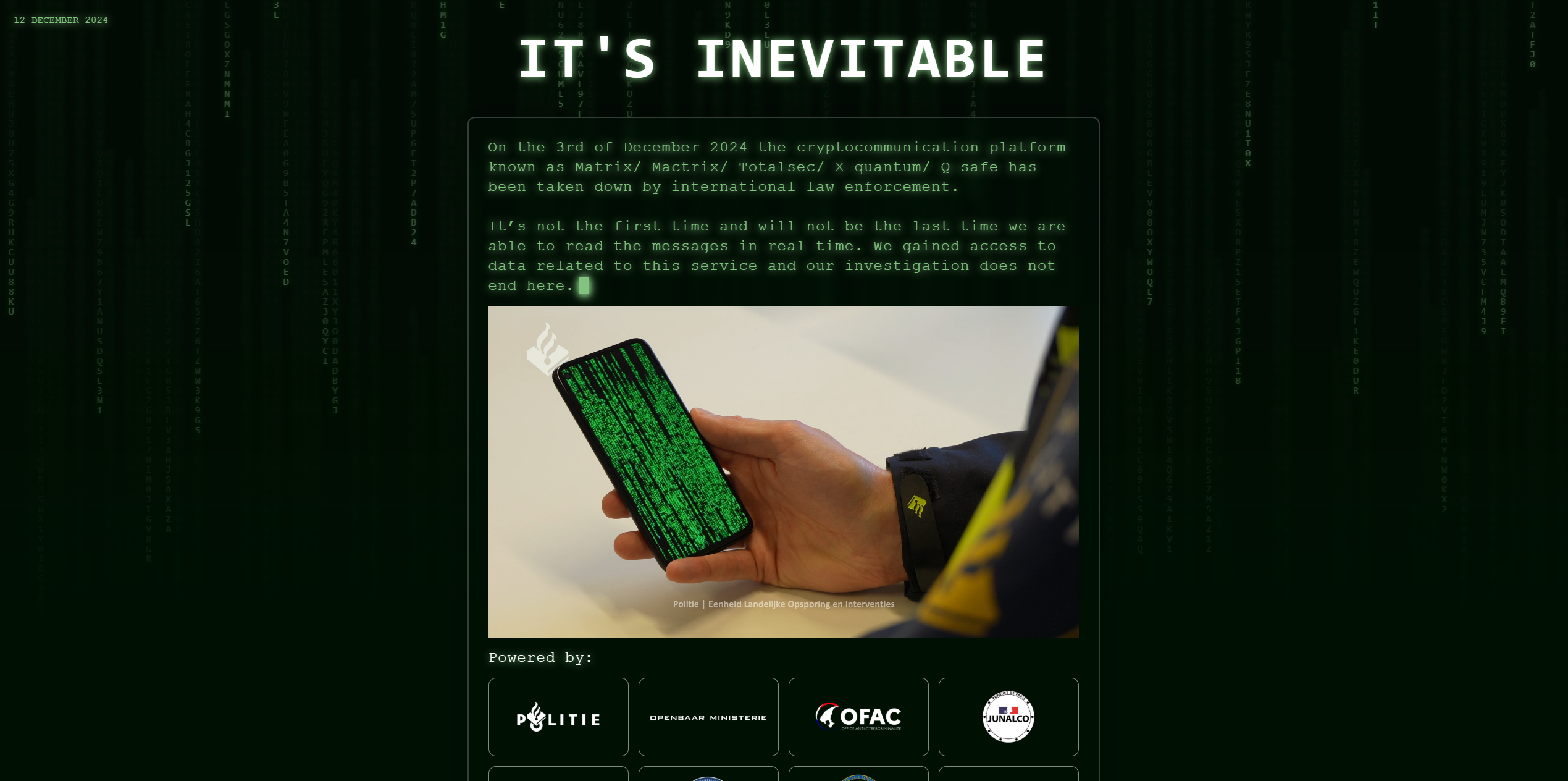
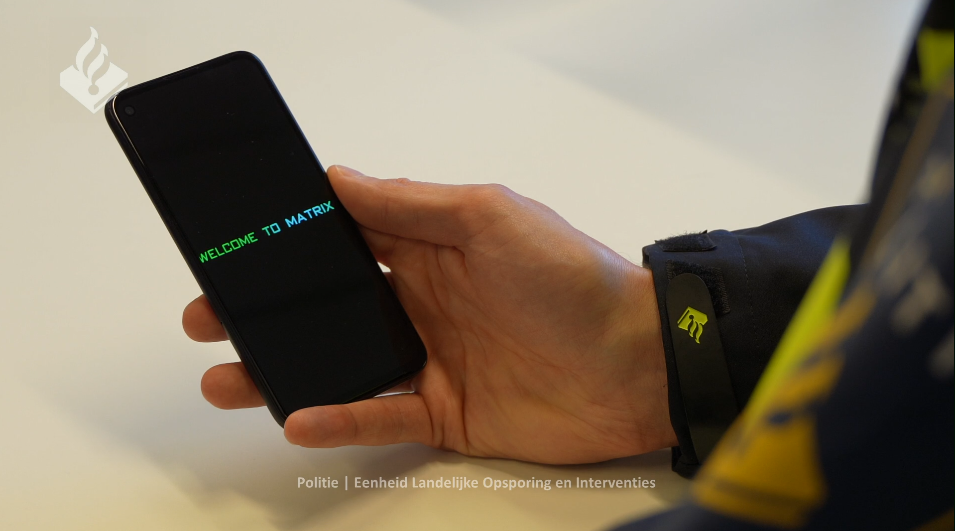
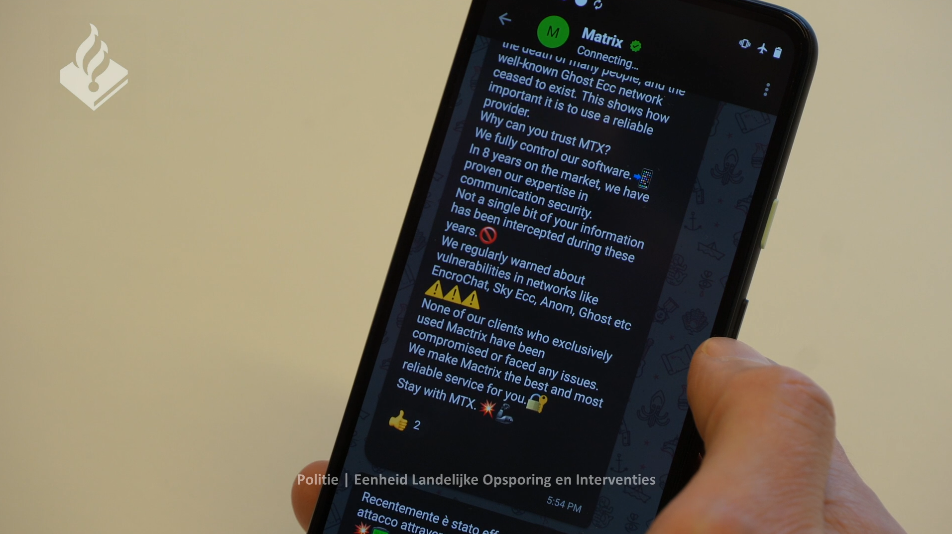
A few days ago, we woke up to the news that the National Police, together with Europol and other security forces, had carried out an operation in Marbella. They searched several homes and seized hundreds of thousands of euros in cash and cryptocurrencies. But the most striking detail was that they had dismantled a mobile phone repair workshop that specialized in fixing and modifying phones so they could communicate in a completely encrypted and secure manner—exactly the kind of service criminals seek to avoid detection. The tool they installed on these phones is called “Matrix,” an application that not only enabled encrypted calls but also allowed users to connect to the internet while concealing their trail through a network of up to 40 servers.
The first thing that crossed my mind when I saw the newspaper headline was the protocol I learned about at ElastixWorld 2014 (Colombia) from Matthew Hodgson himself. He had explained the security advantages and potential uses of the protocol they were developing. Without reading the full article, I jumped to the conclusion that some clever individuals had used the Matrix protocol to communicate in such a way that European law enforcement agencies couldn’t intercept them. Nothing could be further from the truth. Shortly afterward, on the BlueSky network, the great Fred Posner and others set me straight. Although they share the same name, these two things are very different.
What is the Matrix messaging service?
On one hand, the Matrix messaging service is what criminals were using to communicate anonymously and what has now been taken down. This service also goes by other names such as Mactrix, Totalsec, X-quantum, and Q-safe. It had over 8,000 accounts worldwide, with each user paying between €1,300 and €1,600 in cryptocurrencies to acquire a modified Google Pixel phone that included this service.
What is the Matrix protocol?
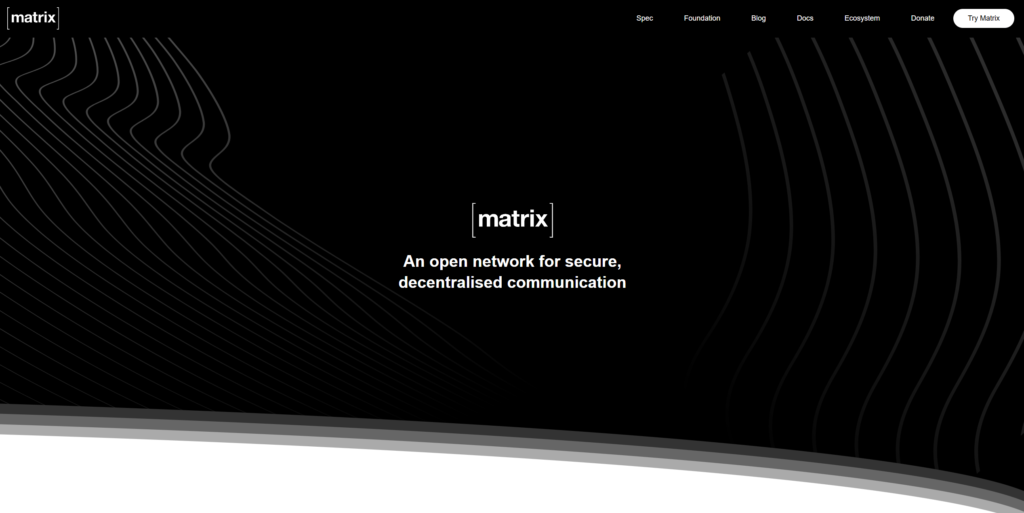
The messaging service known as Matrix is a decentralized, secure communication protocol that allows for end-to-end encrypted exchange of messages, files, and both voice and video calls among its users. Unlike centralized platforms, Matrix is based on a federated architecture, where multiple independent servers (instances) communicate with each other. This gives users greater control over their data and the ability to choose which server will host their account.
It’s essentially like a “Mastodon for communications,” where you can have your own server and connect to the Matrix network so that others can talk to you, call you, or even send files and much more.
Although it is a secure system, this is not the system that was shut down. It’s important to emphasize that it’s still fully operational, completely legal to use, and every day more and more people rely on it.
If you want to learn more about Matrix (the good one), I suggest you take a trip to Fosdem 2025 and get to know the RTC community. There, you can find out more about this and many other interesting protocols that are free, open, secure, and fantastic for everyday use.
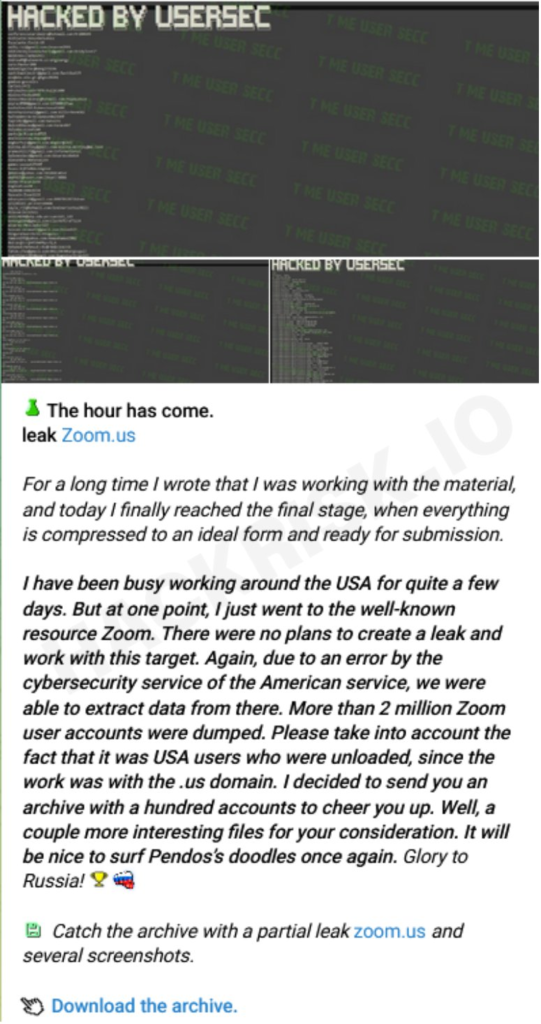
Aún falta la noticia oficial por parte del desarrollador, pero por las capturas publicadas, parece ser que los datos de las más de 2 millones de cuentas de usuarios de la plataforma Zoom han sido comprometidas y puestas a la venta en un foro.
UserSec, un grupo de piratas informáticos prorruso, afirma haber vulnerado la seguridad de Zoom, comprometiendo 2 millones de cuentas de usuarios. Entre las muestras proporcionadas, también hay una lista de 95 credenciales de inicio de sesión de usuarios con contraseñas en texto sin cifrar.
Esto tiene un doble impacto: el primero, que la contraseña, no estaba cifrada o no lo suficientemente como para obtenerlas, en segundo lugar la posibilidad de obtener las grabaciones de reuniones críticas importantes realizadas con esta plataforma y es que en EEUU, la empresa Zoom es una de las más potentes a nivel de videoconferencia, por encima de Teams, Webex y muchas otras.
Los que llevamos unos años en estos mundos, recordamos los preparativos para lo que se llamó el «efecto 2000«. El hecho de que los relojes de muchos ordenadores importantes solo guardaban los dos últimos dígitos del año dejasen de funcionar al considerar que el día 1 de enero de 2000, pasase a ser 1 de enero de 1900 y recuerdo, con cierta cercanía cómo se hablaba en los medios de comunicación que los ordenadores que gestionaban los aeropuertos se iban a parar e iban a causar un verdadero caos en todos los aeropuertos del mundo, como los cajeros iban a dejar de funcionar y la gente no podría sacar dinero de sus cajeros e incluso algunos iban más allá (los que estaban más para allá que para acá) y hablaban de que los electrodomésticos también iban a dejar de funcionar, porque muchos frigoríficos tenían un ordenador dentro que también iba a fallar. Llegó el 1 de enero de 2000 y no pasó nada… lo cual fue una desilusión para aquellos que se encerraron en sus búnkeres llenos de víveres y que llevaban meses preparando el fin del mundo.
El pasado viérnes 19 de julio de 2024, nos despertamos con la noticia de que «un error en Windows» había causado un bloqueo de «todos los sistemas con Windows» incluidos sistemas importantes como aeropuertos, cajeros, sistemas de pagos, bancos, empresas de telefonía, e incluso centrales nucleares, lo que estaba causando un caos en muchos ámbitos idéntico a lo que se esperaba que hubiera ocurrido con el temido «efecto 2000».
El motivo
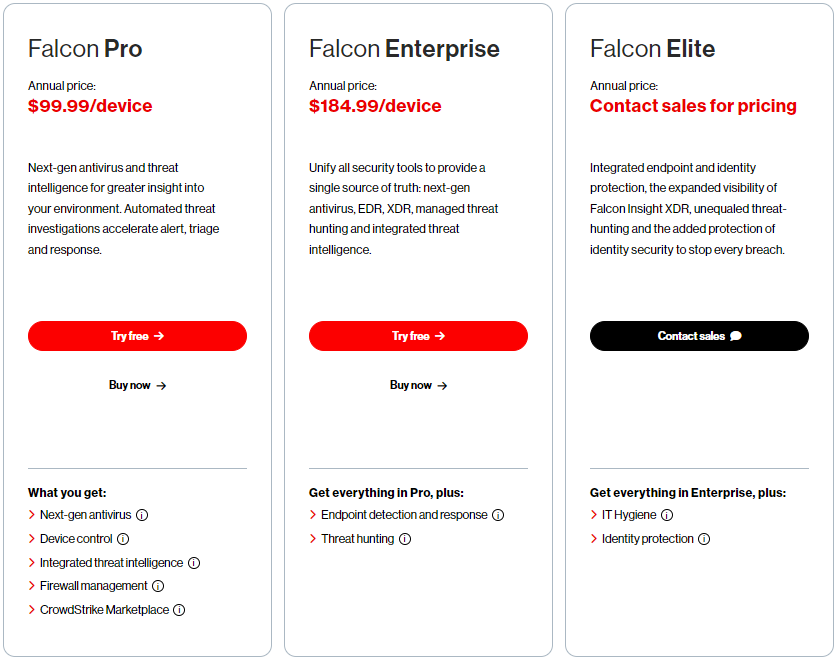
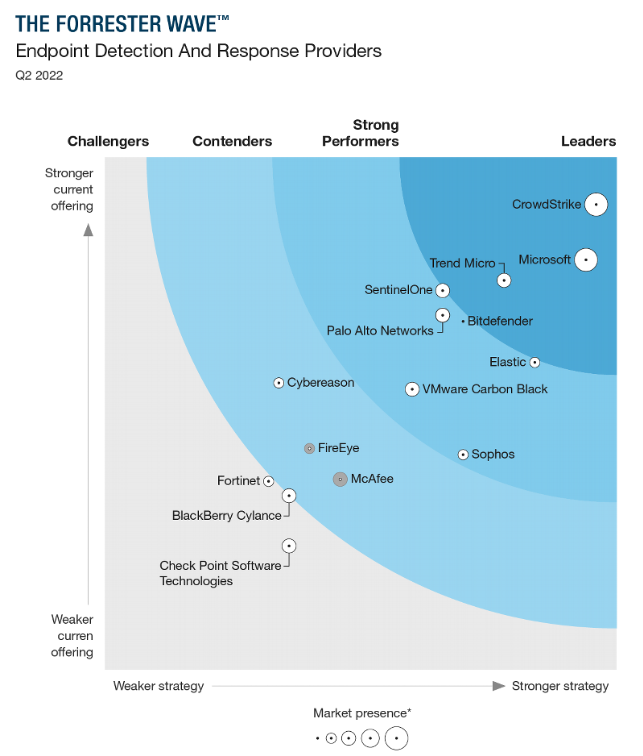
El motivo fue una mezcla entre el opaco sistema de drivers de Windows y uno de los «mejores» EDR del mercado (o al menos, uno de los más usados): Crowdstrike, esta empresa tiene un producto: Falcon Pro que se instala en Windows analizando y generando alertas en caso de detectar un comportamiento anómalo. Requiere acceso al núcleo del sistema para vigilar incluso si algo accede a archivos del propio sistema operativo, de ahí que Crowdstrike utilice el subsistema de drivers de Windows para ello que fue lo que falló ayer y lo que provocó que Windows mostrara un pantallazo azul impidiendo que la gente pudiera utilizar sus ordenadores con normalidad.
Captura de pantalla de las características y precios del Falcon Pro que rompieron a Windows
Es muy curioso que hace unos días escribiéramos sobre la importancia de invertir en la seguridad de las empresas y días después, un mecanismo de seguridad para proteger a los sistemas ante comportamientos que puedan paralizar un equipo o una red, sea justamente el que provoque dicho bloqueo.
La explicación
¿Por qué ocurrió este desastre? La explicación técnica avanzada la puedes encontrar en muchos sitios, además de conocimientos avanzados de Windows, de su sistema de kernel, de su sistema de cifrado, de programación en C++, y muchas cosas más… (Por ejemplo, este artículo)
No obstante, la explicación ultra-simplificada más o menos aceptada es: Para detectar ciertos comportamientos en archivos del sistema operativo, algunos de ellos fuertemente cifrados y poder acceder a funciones del sistema que le permita acceso total a los archivos del sistema, la empresa CrowdStrike desarrolló un driver (que como la mayoría de drivers funciona con permisos de administración) y en la última actualización realizada el jueves 18 por la noche, ese driver era erróneo, provocando un pantallazo azul que bloquea el sistema.
Cuando hay un error hardware o un driver que no se ajusta a lo que debería controlar es el de siempre: pantallazo azul.
La Solución
El problema ha sido que este fallo ha afectado a más de 9.000.000 de ordenadores de todo el mundo que tenían Windows y el sistema Crowdstrike (9 millones de equipos x 99€/año es una cantidad de dinero muy interesante) pero la solución es bastante sencilla.
Arrancar el ordenador en modo de recuperación (o a prueba de fallos) de forma que no cargue los drivers.
Ve al directorio (carpeta) C:\Windows\System32\drivers\CrowdStrike
En esa carpeta busca el archivo C-00000291*.sys (éste es el archivo que provoca el pantallazo azul)
Borra ese archivo
Reinicia el equipo con normalidad.
La solución permanente
La solución permanente consiste en instalar Linux y optar por un sistema EDR que no provoque errores en el núcleo del sistema.
No obstante, hay muchas alternativas a CrowdStrike para sistemas comerciales basados en Windows:
No obstante, y como Sinologic es una web donde defendemos el Software Libre, os recomendamos algunas alternativas tan interesantes como estas y mucho más controladas, transparentes y accesibles:
OSSEC
Página web: https://www.ossec.net/ Uno de los sistemas EDR libres y con la comunidad más activa. Actualizada diariamente y que incluye:
Antivirus global: conexión adicional con APIs externas como VirusTotal.
Búsqueda activa y continua de rootkits.
Comprueba las versiones de las aplicaciones y busca sus vulnerabilidades.
Monitoriza los logs en búsqueda de actividades sospechosas.
Detección de intrusiones (HIDs)
… y mucho más…
Compatible 100% con los estándares de ciberseguridad y certificados internacionales ISO27001, NIS2 y nacionales como ENS.
TheHive
Página web: https://thehive-project.org/ Otro sistema EDR libre que además tiene a una empresa detrás para soporte de grandes empresas, pero ofrecen todo el software de forma libre para cualquiera que quiera instalarlo y utilizarlo. Compiten con las soluciones comerciales en cuanto a soporte y actualizaciones… y precio. 😉
osQuery
Página web: https://www.osquery.io/ osQuery es una herramienta para manejar el sistema operativo que gestiona a bajo nivel analíticas, monitorización de una forma rápida e intuitiva. Es un framework para incluir scripts que analizan, monitorizan, controlan y alertan de cualquier actividad sospechosa. Una vez manejada en condiciones, ofrecen una potencia incomparable.
Consola interactiva.
Todo el sistema se maneja como si fuera una API.
Otras soluciones
Hay otras soluciones como: Snort, Nessus, Cuckoo, que no conozco tanto pero que también ayudan a monitorizar, auditar y alertar cuando se detecta un comportamiento anómalo en un sistema, una intrusión o algún archivo ha sido modificado sin permiso.
Seguridad ante todo
Si has llegado hasta aquí y le has echado un vistazo a las soluciones de ciberseguridad opensource, habrá comprobado que son mucho más rudimentarias (más manuales, más detalladas, hay que dedicarle algo más de tiempo a configurarlas) que las versiones comerciales en las que sólo hay que instalar y punto. OSSEC, que es el que más me ha gustado es la solución más potente que conozco, incluso tanto como las versiones comerciales, ya que actualiza diariamente las vulnerabilidades y además cuenta con API para recibir alertas y conectarse con antivirus, vulnerabilidades y control de amenazas completamente actualizados como VirusTotal, PagerDuty y Maltiverse. Sistemas centralizados de gestión de dispositivos OSSEC como Wazuh permiten controlar todas las instalaciones de los agendes OSSEC de la empresa, manteniendo vigilado todo el software y los logs con las amenazas de toda la organización, utilizando IA para la detección de alertas frente al «ruido» constantes de los logs. No os puedo enseñar la solución que tengo implementada, pero me encantaría poder hacerlo, ya que podríais ver los datos de las versiones instaladas y las alertas de vulnerabilidades que salen cada día y cómo nos llegan para proteger los sistemas cuanto antes, intentos de accesos, tecnología utilizada, etc. Al ser todo opensource, nos permite interconectar OSSEC con otros sistemas de monitorización como Zabbix, Cacti, PRTG, etc. además de llegarnos alertas mediante correo, chat o SMS en función de la criticidad.
La tecnología está en un punto de inflexión en el que la I.A. ha acelerado todo. Los datos siempre han sido importantes (recuerda el dicho de: quien controla la información tiene el poder) y el hecho de que TODO esté computerizado, interconectado y sea capaz de manejar datos ha hecho que todos los sistemas sean proclives a sufrir ataques de ciberseguridad.
Nos preparamos para cualquier ataque, cualquier vulnerabilidad explotable. Ya no pensamos que no nos va a tocar, porque hoy día un ataque es dinero y hay mucha gente necesitada de dinero. Las aplicaciones de ciberseguridad son caras, muy caras. Estamos hablando que un ataque, una filtración de datos, un bloqueo total o parcial de los sistemas puede dar a traste con una empresa entera, ya no sólo con su reputación, si no porque muchas empresas valen tanto como los datos que tienen y si esos datos son públicos, la empresa pasa a valer entre nada y poco.
No quería escribir sobre seguridad tan seguido y esperaba tener algo más de tiempo para escribir una segunda parte de cómo securizar la empresa, pero este post era necesario. Saber qué es un EDR, cuales existen y la necesidad de utilizarlo es algo vital hoy día. Cualquier equipo puede convertirse en un punto de acceso que puede bloquear nuestra organización y eso es algo que no podemos permitir.
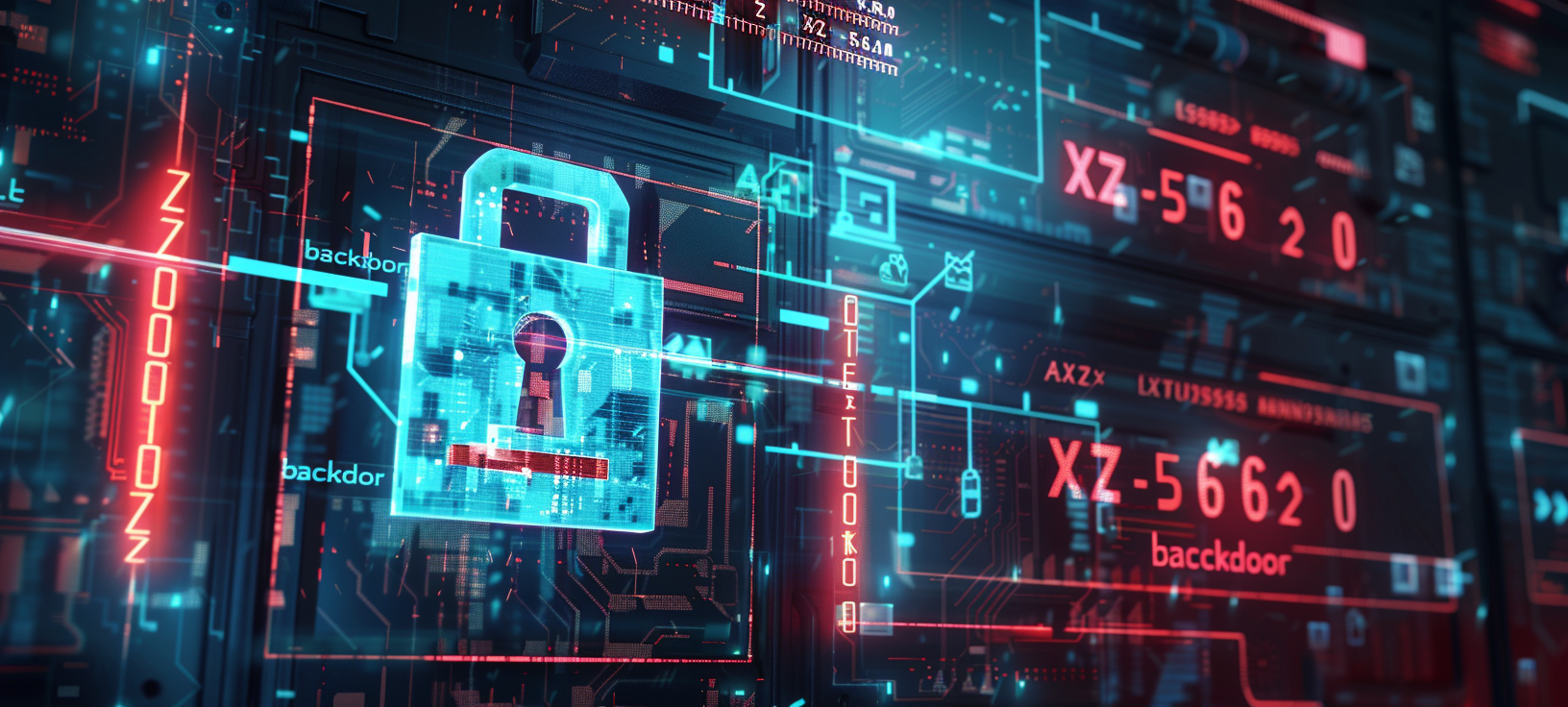
Un hacker traza un meticuloso plan durante largos 2 años para intentar colar un acceso a casi todos los sistemas Linux del mundo. Esto lo hizo modificando poco a poco líneas de código a la librería «libzlma» que sirve (entre otras cosas) para comprimir los datos que se envían en protocolos binarios como el del SSH lo que le permitiría crear un exploit y acceder a prácticamente cualquier servidor SSH de cualquier sistema que utilice dicha librería.
La modificación fue detectada por un desarrollador experto en seguridad que detectó que el acceso a una de sus sistemas tardaba 0,5 segundos más de lo habitual, empezó a enfadarse y a investigar el motivo y, (ventajas del software libre) pudo ver el código fuente y se dio cuenta que había un error en una librería llamada libzlma que tenía un backdoor que nadie había detectado antes.
Y es que, viendo quién subió ese código, parece ser que un hacker ha estado enviando modificaciones del código cada cierto tiempo a la librería (junto con modificaciones de otros archivos, manuales, etc.) hasta llegar a un momento en que la suma de todo su código era el propio backdoor.
¿Por qué no se detectó antes?
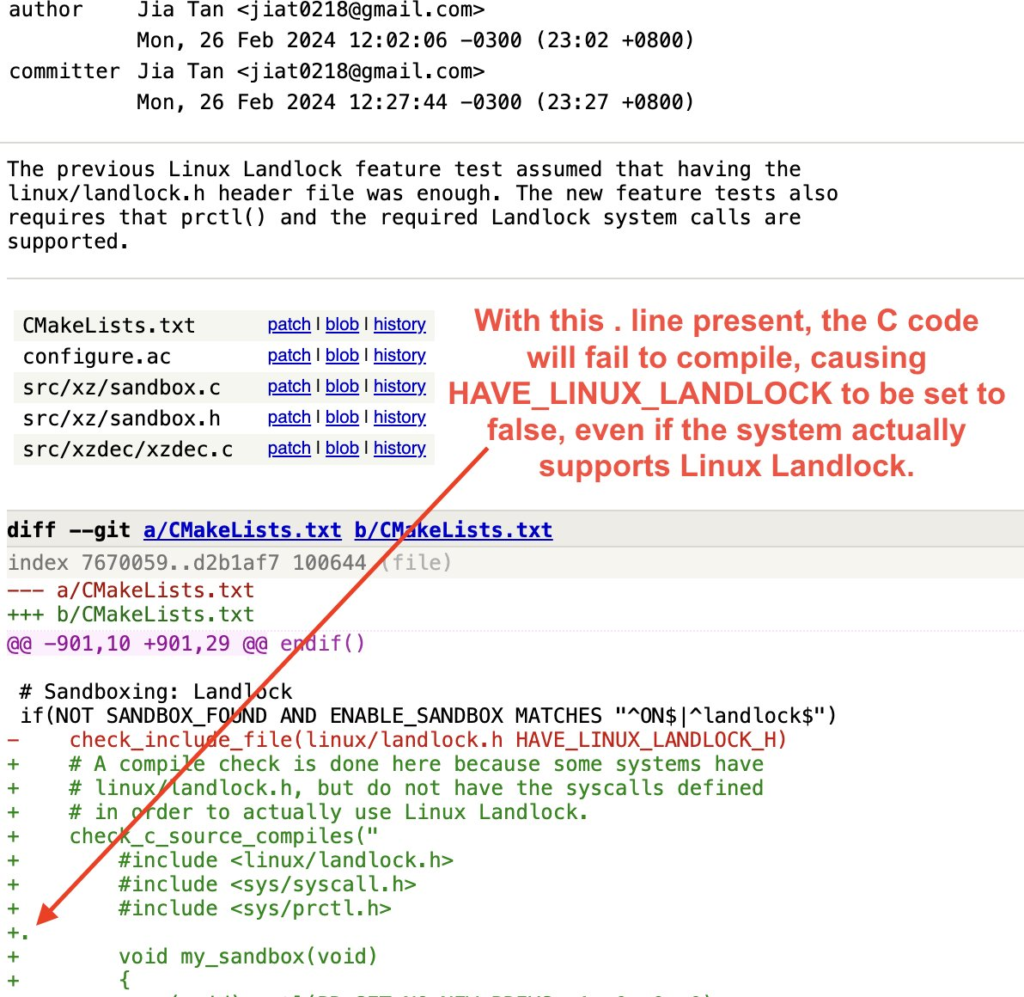
Este software cuenta con sistemas que detectan código erróneo (maligno, malificiente, malvado, …) pero el desarrollador puso un «punto» en un momento del código que provocaba un error en el sistema de testing del código y eso hacía que dejara de comprobar el resto del código donde se encontraba el código con la puerta trasera.
La detección de este bug ha provocado que hayan muchas versiones de SSH vulnerables, por lo que este fin de semana ha sido un momento ideal para comprobar las versiones de la librería y ver si utilizaban la versión vulnerable.
Cómo detectar si estamos comprometidos
Para comprobar si estamos usando la versión «peligrosa», podemos ejecutar en Linux el siguiente código:
strings `which xz` | grep "(XZ Utils)"
Si la versión que te devuelve es inferior a 5.6.0, entonces tienes una versión segura. En caso contrario, habría que hacer un downgrade o, mejor aun, bloquear el SSH para evitar el acceso externo y permitir conectar por SSH únicamente mediante VPN (que sería lo mejor)
Las versiones comprometidas son la 5.6.0 y 5.6.1
Si utilizas una distribución basada en .deb o .rpm con glibc y xz-5.6.0 o xz-5.6.1:
Si utilizas systemd con un ssh públicamente accesible: ACTUALIZA AHORA MISMO!!!
Si no usas systemd con un ssh públicamente accesible: ACTUALIZA AHORA MISMO
Si utilizas otro tipo de distribución:
Con glibc y xz-5.6.0 o xz-5.6.1: ACTUALIZA AHORA MISMO
Hace ya cuatro años anunciamos en Sinologic que Europa, a través de la nueva Ley de Servicios Digitales y Mercado Digital (DMA), obligaría a las empresas de software de mensajería a poner fin a los ecosistemas cerrados de mensajería con una serie de multas bastante importantes para aquellos que no lo hagan. La fecha límite es Marzo de 2024 (apenas 3 semanas) y si bien a mediados del año pasado Google anunciaba que Android soportaba ya el protocolo RCS para el envío de mensajes de forma nativa, a finales del año 2023 era Apple quien anunciaba que iba a soportar el nuevo protocolo de comunicaciones en sus iPhones, esta semana ha sido Whatsapp Facebook el que ha anunciado que está preparando una versión en la que poder integrar el protocolo RCS en su software de mensajería para cumplir con la Ley de Servicios Digitales Europea y permitir interconectar las redes con el resto de plataformas.
Europa en lucha contra el monopolio
El objetivo de Europa para obligar a las grandes empresas y telecos a interconectar sus redes es principalmente para controlar el poder de mercado de las Big Tech abriendo plataformas arraigadas y frenando el bloqueo del ecosistema y el comportamiento anticompetitivo, haciéndolas competir únicamente por los méritos de sus productos y servicios. Por si hace falta un ejemplo, Whatsapp es la responsable del 95% de los mensajes de texto que se envían hoy día en España (un software que depende de Meta/Facebook), mientras que iMessage, la aplicación de mensajería de Apple, es la responsable del 90% de los mensajes de texto enviandos en EEUU. Son unos porcentajes altísimos y una dependencia absoluta a una única empresa, un gran poder concentrado en una única empresa y de la que depende la mayor parte de las comunicaciones de muchos países. Por esta razón, Europa ha obligado a interconectar las redes y que la mensajería ya no dependa únicamente de una empresa.
Todo va a cambiar en mensajería
RCS es un sistema que incorporarán todas las herramientas de mensajería y esto provocará un antes y un después en la mensajería en Europa. En principio nada cambiará… quien utilice un sistema de mensajería puede seguir utilizándolo exactamente igual que antes, pero el sistema RCS que las telecos llevan muchos años promoviendo como sustituto de los SMS, ocasionará en una nueva forma de entender y manejar las herramientas de mensajería, así como la posibilidad de desarrollar aplicaciones nuevas que puedan enviar mensajes a usuarios de Whatsapp, iMessage y Google Message entre muchos otros.
Entonces ¿Qué es el RCS?
RCS (Rich Communication Services) representa una evolución significativa en el ámbito de la mensajería móvil, posicionándose como el sucesor natural de los protocolos SMS y MMS bajo el paraguas de la GSMA. Esta tecnología ofrece un conjunto de protocolos de comunicación enriquecida que permite la implementación de servicios avanzados de mensajería y multimedia sobre redes IP, integrándose a la perfección con las infraestructuras de telecomunicaciones existentes. RCS facilita la transmisión de mensajes de texto enriquecidos, intercambio de archivos multimedia de alta resolución, video llamadas, compartición de ubicación en tiempo real, y chat en grupo, entre otras funcionalidades, todo ello dentro del entorno nativo de mensajería del dispositivo, sin la necesidad de aplicaciones de terceros.
Desde una perspectiva técnica, RCS se apoya en el estándar IMS (IP Multimedia Subsystem) para asegurar la entrega de sus servicios a través de redes 4G (LTE) y redes 5G, garantizando así una integración y operatividad óptima con las tecnologías de VoIP. Esto permite a los operadores de telecomunicaciones también puedan ser competencia frente a las aplicaciones de mensajería estándar, mediante la utilización de sus infraestructuras de red existentes. Además, RCS introduce capacidades de negociación de capacidades entre dispositivos, asegurando la compatibilidad de los servicios ofrecidos y una mejora en la calidad de la experiencia del usuario final.
Para los profesionales dedicados a la tecnología y en particular a la VoIP, RCS abre un abanico de posibilidades para la innovación en servicios de comunicaciones unificadas, ofreciendo una plataforma rica para el desarrollo de nuevas aplicaciones y servicios que pueden integrarse de manera transparente con las redes de telecomunicaciones y sistemas de mensajería existentes.
Hace unos días publicamos una review del Snom M500 y hoy sale una de las noticias del nuevo año, y es que VTech Holdings Limited, a través de su filial europea Snom Solutions GmbH, acaba de anunciar la adquisición de Gigaset Communications GmbH(el fabricante detrás de millones de teléfonos inalámbricos DECT que tenemos en muchas casas y empresas).
En Europa no hace falta presentar a Snom ni a Gigaset, ambas empresas son perfectamente conocidas por cualquier profesional de las comunicaciones, no tanto la empresa matriz de Snom, VTech, que en España es más conocida por sus juguetes tecnológicos infantiles y que en 2016 anunció la entrada en el mercado europeo con la compra de Snom AG.
Pero en Hong Kong, VTech es uno de los gigantes en comunicaciones que fabrica para las principales marcas de teléfonos del mundo y que, aunque en Europa no sea muy conocido, tiene a Snom como punta de lanza y representante de sus productos.
Pues VTech Holdings Limited, a través de un comunicado de prensa, ha anunciado la adquisición de los activos de Gigaset Communications GmbH.
VTech, líder en productos de aprendizaje electrónico y fabricante de teléfonos residenciales en EE. UU., a través de su subsidiaria Snom Solutions GmbH, adquirirá los activos de Gigaset, incluyendo sus instalaciones de fabricación en Alemania.
Gigaset es líder en teléfonos inalámbricos DECT en Europa y ofrece soluciones de telefonía empresarial y productos para el hogar inteligente. La adquisición fortalecerá la posición de VTech en teléfonos residenciales, expandiendo su presencia y cartera de productos a nivel global.
Se espera que la adquisición se complete el 2 de abril de 2024, si todo sale bien y los organismos regulatorios dan su visto bueno.
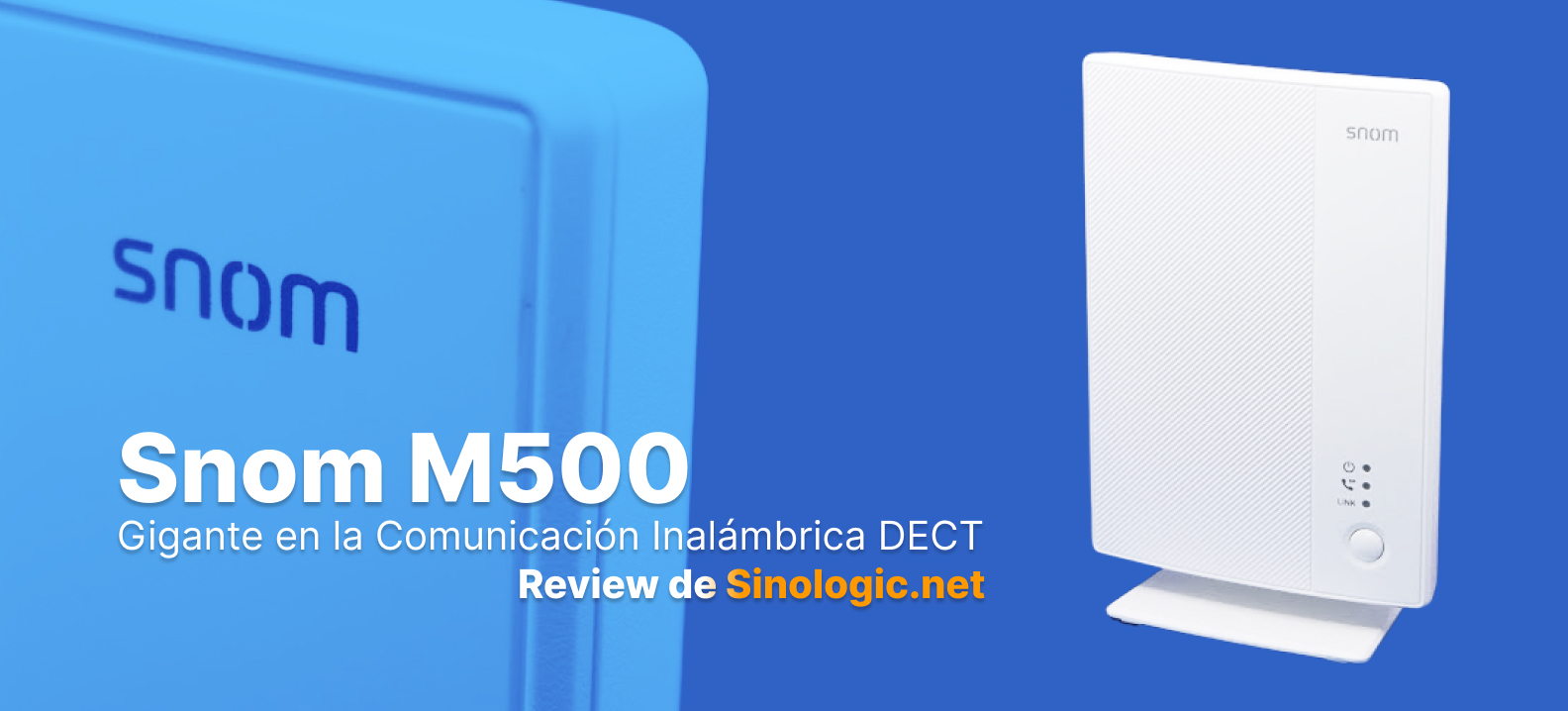
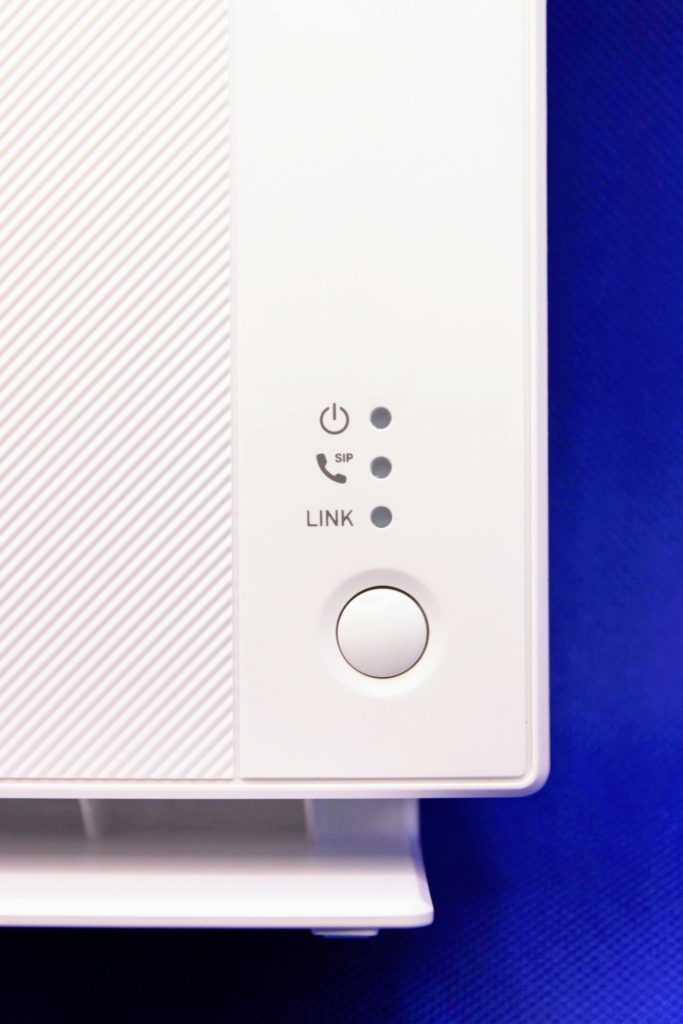
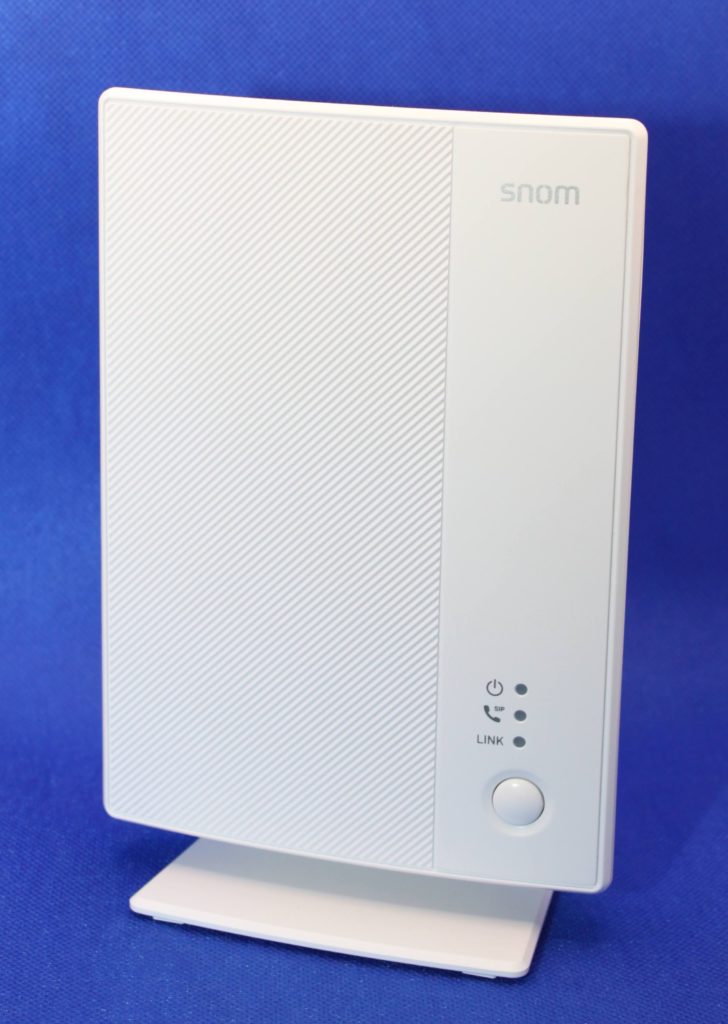
En el mundo de las telecomunicaciones, la innovación es clave. Hoy, vamos a hablar de un conjunto de productos que nos han prestado para que las veamos: la antena inalámbrica Snom M500.
Snom, como patrocinador de Sinologic ha tenido a bien enviarnos algunas demos de sus productos para que los probemos y veamos lo bien que funcionan. Hemos hecho pruebas básicas (actualización de firmware, configuración, llamadas y alguna prueba tipo transferencia, desvío, etc. básicamente lo habitual que se necesita en una pequeña oficina, ya que es para lo que está esta solución: entorno de oficina con pocos terminales (como máximo 16 teléfonos) y pocas llamadas.
Con su diseño enfocado en la funcionalidad, la M500 se presenta como una opción ideal para entornos empresariales que requieren movilidad sin sacrificar la calidad de la comunicación: Al tener dos antenas como máximo interconectadas entre sí, el tamaño de la oficina debe ser limitado (no más de 500m de largo y con las antenas bien posicionadas para una mayor cobertura y distancia).
La capacidad de Snom M500 para funcionar como un sistema de célula dual es una de sus características más sobresalientes. Esto significa que se pueden combinar hasta dos bases para formar una única célula DECT. Esta configuración no solo aumenta la cobertura y la capacidad de la red, sino que también permite registrar hasta 16 teléfonos y manejar hasta 8 llamadas simultáneas. Esta versatilidad hace que la M500 sea una solución adecuada tanto para pequeñas empresas como para espacios de oficina más grandes, proporcionando una cobertura uniforme y reduciendo la necesidad de múltiples sistemas de telefonía.
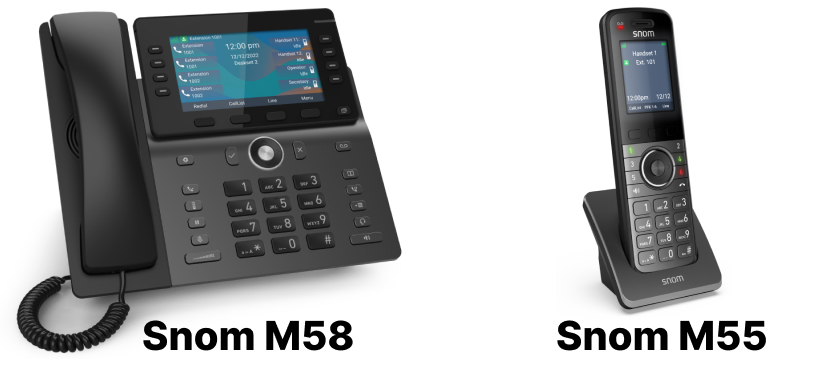
Como «pega«, hay que comentar que la antena DECT Snom M500 es compatible únicamente con dos teléfonos DECT: el Snom M55 y el Snom M58.
Hemos podido probar ambos teléfonos y la sensación ha sido muy, muy buena:
El Snom M58 es un teléfono de escritorio que no necesita de cable ethernet para funcionar, ya que ES DECT! y se conecta rápida y fácilmente a la antena M500. Aunque tiene pantalla a todo color, no es un android, no se le pueden instalar aplicaciones, es un teléfono sencillo, práctico y sin muchas historias. Ideal para una pequeña instalación en la que sólo necesitas un enchufe para encenderlo y su cobertura DECT te permitirá tener conexión allá donde estés. (Más información)
El Snom M55 es un teléfono inalámbrico, algo más grande que sus homólogos Snom M30 y Snom M70, pero orientado a un entorno más de oficina. Muy parecido al de otras marcas, es un teléfono especial para comunicarse con la base M500. (Más información)
Probando la base M500 con el Snom M58, puedo decir que es un teléfono ideal para una oficina, una recepción o incluso un teléfono que necesite moverse cada cierto tiempo o que esté en un sitio tan antiguo que no tenga cableado ethernet cerca.
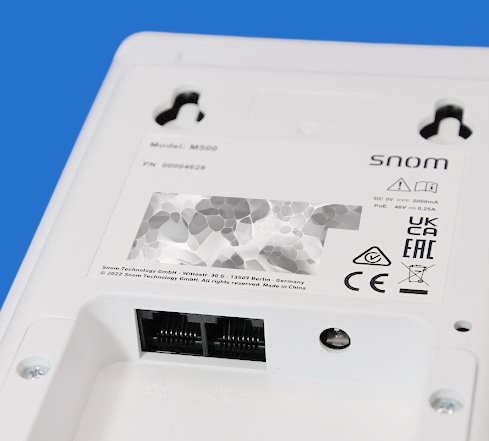
La antena Snom M500 es 100% compatible POE, esto es, que se alimenta por el propio cable de red y no necesita de alimentación suplementaria ni transformador. No obstante, como se puede ver en la foto, dispone de un conector para alimentarlo aunque el transformador no se incluye con la antena.
Esto es muy habitual en este tipo de dispositivos y, aunque muchas empresas no tienen switches POE para este tipo de infraestructura, al intentar colocar las antenas en las posiciones más normales, es preferible disponer de un cable con POE y poder situar la antena donde más nos interese, que un cable de red y un enchufe por separado en la posición que queremos.
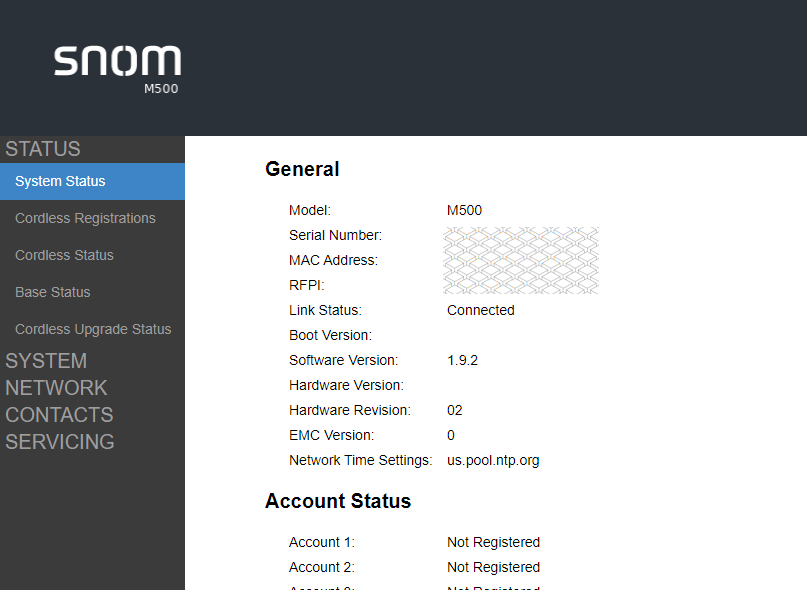
Nota Importante: En el interfaz web de la antena da la impresión de que se pueden instalar más teléfonos inalámbricos, pero sólo se pueden utilizar hasta un máximo de 16 teléfonos DECT utilizando dos antenas estratégicamente separadas entre sí.
La configuración web del Snom M500 no es que sea ninguna maravilla, apenas unos pocos parámetros, aunque visto lo simple que ha sido configurarlo, tampoco necesita muchos más.
Snom M500 se destaca por su compatibilidad con los modelos de handset Snom M55 y M58. El M55, con su pantalla a color de 2.4 pulgadas, proporciona una interfaz clara y fácil de usar, mientras que el M58 ofrece una pantalla más grande de 5 pulgadas y funcionalidades adicionales como Bluetooth, lo que lo hace ideal para entornos de oficina modernos. Estos dispositivos no solo ofrecen ergonomía y robustez, sino que también aseguran una integración perfecta con la base M500, permitiendo a los usuarios aprovechar al máximo las capacidades del sistema y asegurando una experiencia de usuario coherente y de alta calidad en toda la red.
Función «Shared Call Emulation» (SCE)
Una de las características más notables de Snom M500 es su función «Shared Call Emulation» (SCE), una innovación que mejora significativamente la gestión de llamadas en un entorno DECT. SCE permite a los usuarios monitorear, responder, mantener y transferir llamadas a través de teclas programables en los handsets, ofreciendo una flexibilidad comparable a la de los teléfonos de escritorio tradicionales. Esta funcionalidad es especialmente útil en entornos empresariales donde la eficiencia en la gestión de llamadas es crucial. Además, SCE proporciona una ventaja adicional al permitir la supervisión de varias líneas troncales, lo que aumenta la eficiencia operativa y mejora la experiencia del usuario.
Seguridad, Configuración y Actualizaciones automáticas
La seguridad es un aspecto crucial en la comunicación empresarial, y Snom M500 lo tiene bien cubierto. Equipada con los estándares de encriptación más recientes, como TLS y SRTP, ofrece una seguridad robusta para las comunicaciones. Además, la configuración y autenticación automáticas a través de Mutual TLS (MTLS) no solo refuerzan la seguridad, sino que también simplifican el proceso de configuración de los dispositivos. Esto significa que las empresas pueden implementar y mantener su sistema de telecomunicaciones con menos esfuerzo y mayor seguridad.
Otra ventaja importante de Snom M500 es su capacidad para realizar actualizaciones de software de manera inalámbrica, lo que venimos llamando OTA (Over The Air). Esto facilita enormemente el mantenimiento y asegura que los dispositivos estén siempre actualizados con las últimas características y parches de seguridad. La función de actualización inalámbrica es particularmente valiosa en entornos empresariales donde el tiempo y los recursos son limitados, ya que reduce significativamente el tiempo y el esfuerzo necesarios para mantener el sistema. Aprovechando, los teléfonos M58 (escritorio) y M55 (inalámbrico) que nos han prestado venían con un firmware antiguo y para hacer pruebas hemos podido actualizar ambos teléfonos a través de la M500 en apenas 2 minutos.