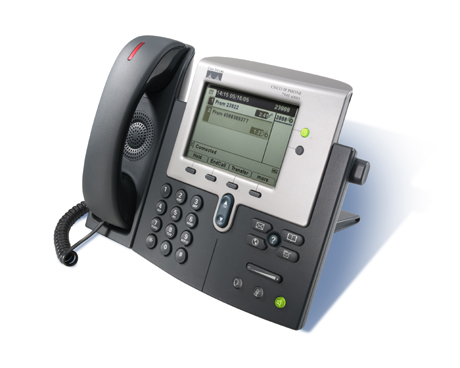
 Cisco ha hablado sobre la importancia de los fallos de seguridad de sus terminales, concretamente del Cisco 7940.
The Cisco Unified IP Conference Station and IP Phone devices contain the following vulnerabilities:
1. It may be possible to access the Unified IP Conference Station administrative HTTP interface without authentication. This vulnerability can be exploited remotely with no authentication and no user interaction. If exploited, the attacker may alter the device configuration or create a Denial of Service. In a default configuration the attack vector is through TCP port 80. The TCP port used by the HTTP interface is configurable and should be verified before any traffic filtering is added to the network. This vulnerability is not designated by a CVE ID.
2. Vulnerable Cisco Unified IP Phones contain a default username and password that may be accessed via SSH. This vulnerability can be exploited remotely with no user interaction. If exploited, the attacker may be able to modify the device configuration or perform additional attacks. The attack vector is through TCP port 22. This vulnerability is not designated by a CVE ID.
3. Affected Cisco Unified IP Phones contain privilege escalation vulnerabilities that allow local, authenticated users to obtain administrative access to the phone. This vulnerability may be exploited remotely with authentication and no user interaction. If exploited, the attacker may be able to modify the device configuration or cause a Denial of Service. The attack vector is through TCP port 22. This vulnerability is not designated by a CVE ID.
The privilege escalation vulnerabilities involve defects in the command line interface of the affected devices. Upgrading vulnerable devices to fixed software is the only effective means by which to mitigate these particular vulnerabilities; therefore, no identification or mitigation techniques for these vulnerabilities will be detailed in this document.
Parches, avisos y actualizaciones serán colocadas aquí:
http://www.cisco.com/warp/public/707/cisco-air-20070221-phone.shtml
Noticia original: http://blogs.zdnet.com/ip-telephony/?p=1453
Por cierto, este teléfono me recuerda un poco al Linksys 941. 🙂
 Para los que tienen una AVM Fritz desde hace más de un año o tarjetas similares RDSI de 1 puerto BRI, les sonará el tan archi-conocido chan_capi necesario para que Asterisk reconociera las líneas RDSI Básicas, algo que Asterisk no traía por defecto y había que descargarlo de la página de Junghanns o de algún que otro sitio.
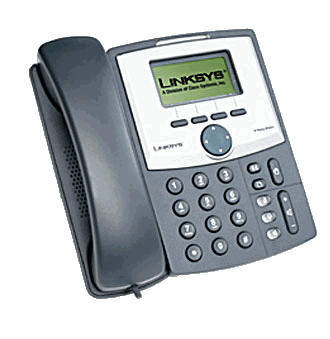 AsteriskGuru acaban de publicar un magnífico tutorial sobre instalación y configuracioń de los terminales Linksys 921, unos terminales bastante buenos con una calidad de sonido bastante buena y que forma parte del conjunto de soluciones LVS de Linksys.
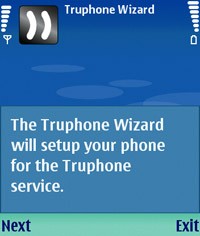 La compañía acaba de anunciar que va a abrir varios «hot-spots» para hacer llamadas a través de su red wireless en catorce países de Europa.
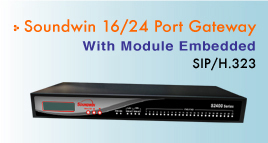 Los SoundWin son unos nuevos dispositivos hardware que permite conectar terminales analógicos y conectarlos a un servidor o proxy SIP o H.323 evitándonos así utilizar tarjetas analógicas y rompernos más de la cuenta la cabeza con configuraciones de Linux o interrupciones disponibles.
 Acabo de ver en el wiki de Voip-Info que acaban de añadir una página donde explican cómo utilizar la aplicación DevState de la que ya
  Bueno, como venía siendo habitual las grandes marcas siguen sacando tarjetas nuevas y Junghanns no quería dejar pasar esta oportunidad sacando varios modelos, algunos nuevos y otros no tanto pero menos conocidos.
 –
–  La mayoría conocerá Festival que es un text-to-speech gratuito, esto es, que convierte texto en voz y así podremos tener en nuestro Asterisk comandos como: